
 English
 Arabic
 Farsi
Farsi
 Azerbaijani
 Uzbek
Uzbek
 Kazakh
 Greek
Greek
 Other
Other





Ибн Сина: Атасы ерте заманғы замануи медицинасы және оның Түркиядағы мұрасы
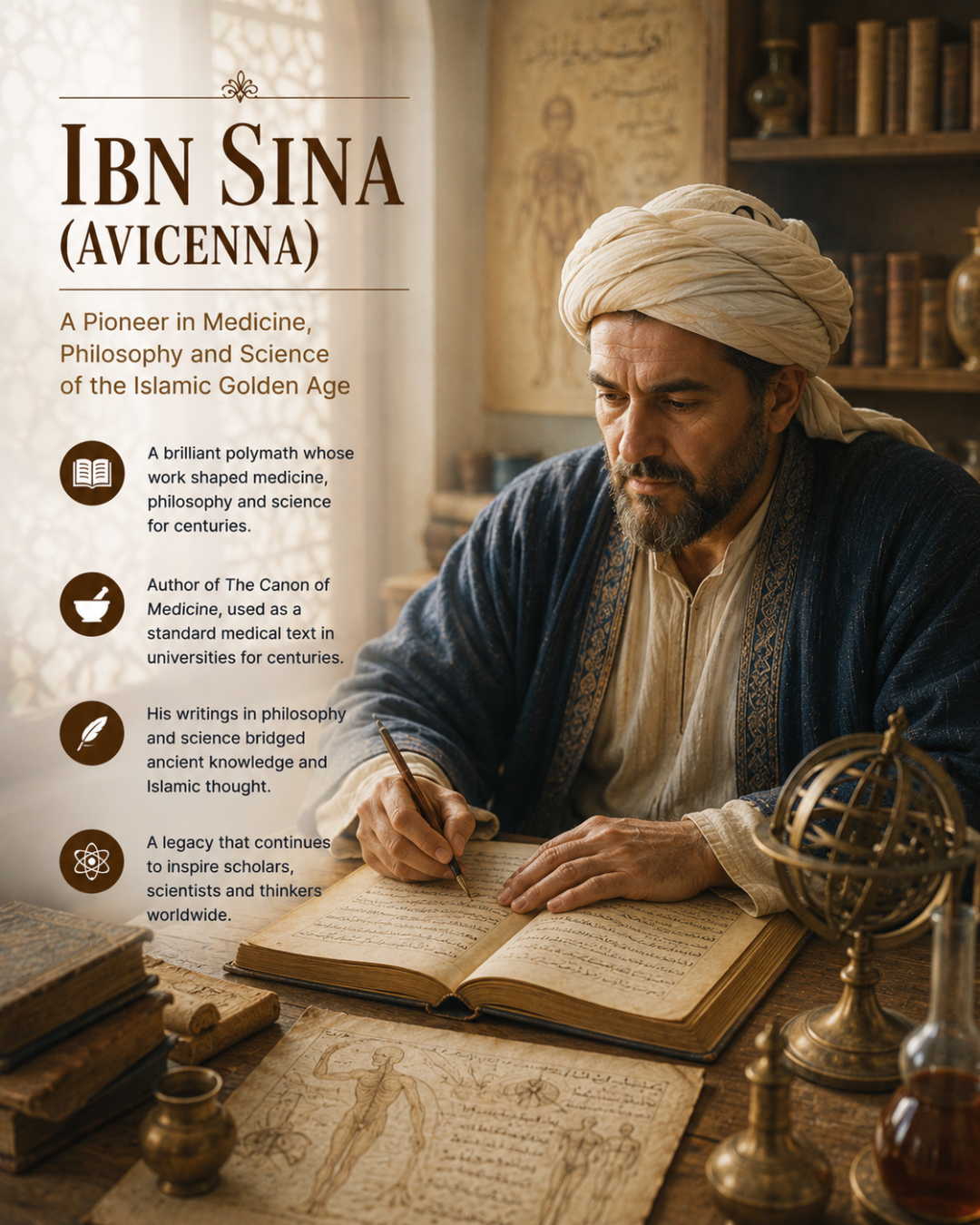
Ibn Sina, known in the West as Avicenna, was a Persian polymath who lived from 980 to 1037. Though born in present-day Uzbekistan, his influence extended deeply into the Islamic world, including Anatolia—modern-day Türkiye. His most famous work, The Canon of Medicine, became a standard medical textbook in Europe and the Middle East for centuries. 📚
At just 18, Ibn Sina had already mastered medicine, philosophy, and natural sciences. His writings covered topics from anatomy to pharmacology, and he was one of the first to describe contagious diseases and the importance of quarantine. His holistic approach to health—combining physical, mental, and environmental factors—was ahead of its time. 💡
In Türkiye, his legacy is celebrated in universities and medical institutions. The Canon of Medicine was taught in Ottoman madrasas, shaping the region’s medical practices. Today, his name is honored in hospitals and research centers, a testament to his enduring impact. 🏥
Beyond medicine, Ibn Sina made significant contributions to philosophy, astronomy, and mathematics. His works on logic and metaphysics influenced scholars across cultures, bridging the gap between ancient Greek thought and Islamic philosophy. His ideas continue to inspire discussions in modern science and ethics. 🌟
For those interested in history and science, Ibn Sina’s life offers a fascinating glimpse into the intellectual golden age of the Islamic world. His story is a reminder of how knowledge transcends borders and time. ⏳