
 English
 Turkish
 Hindu
Hindu
 Other
Other









Nuri Bilge Ceylan: The visionary filmmaker shaping modern Turkish cinema
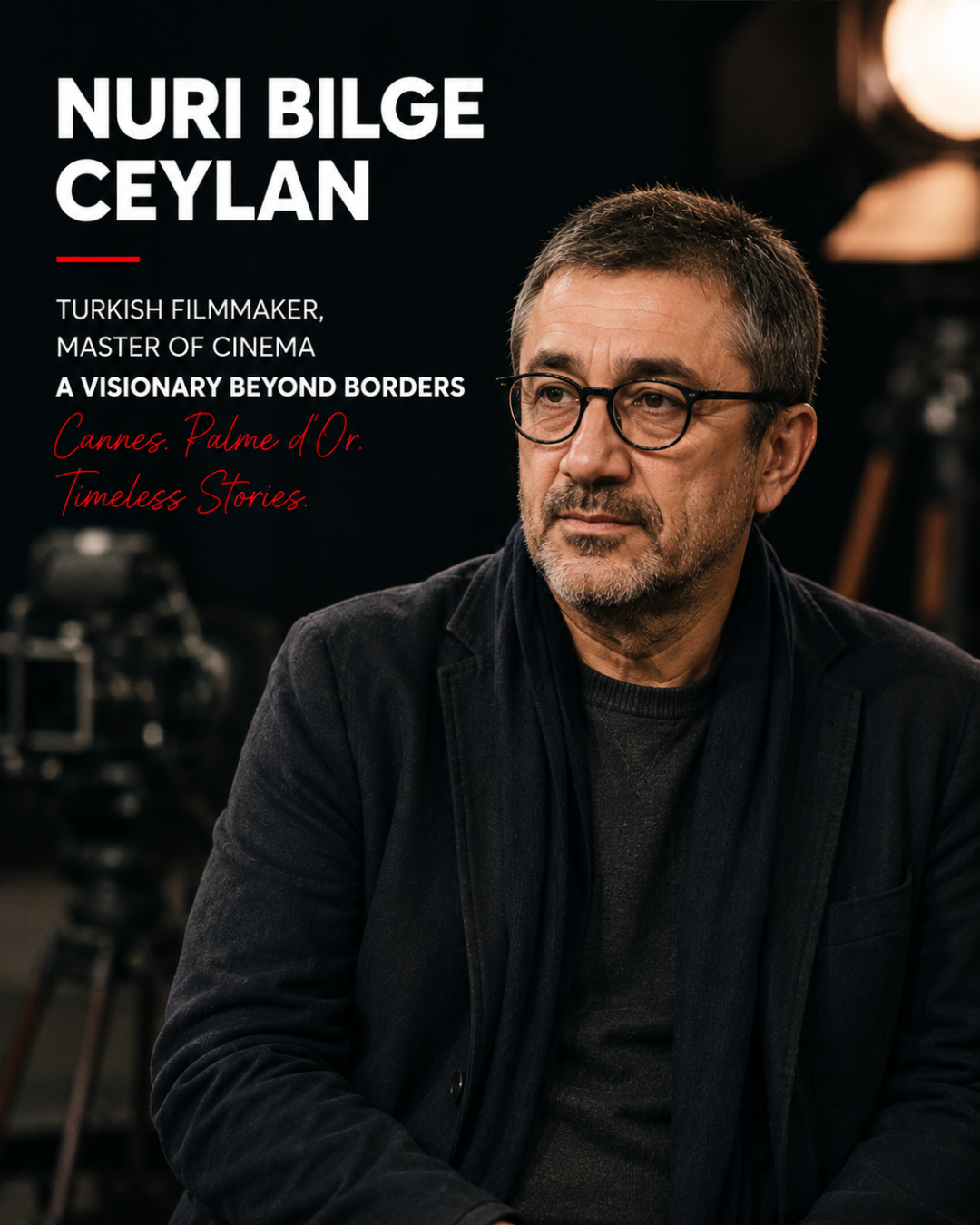
Nuri Bilge Ceylan is one of Türkiye’s most acclaimed filmmakers, known for his unique approach to storytelling that blends realism with poetic visuals. Born in Istanbul in 1959, Ceylan initially studied electrical engineering before turning to photography and later filmmaking. His early works, such as Kasaba (The Town) (1997) and Mayıs Sıkıntısı (Clouds of May) (1999), established his signature style—long takes, minimal dialogue, and a deep focus on human relationships and nature.
Ceylan’s breakthrough came with Uzak (Distant) (2002), which won the Grand Prix at the Cannes Film Festival. The film explores the quiet tension between two men in Istanbul, showcasing his ability to convey complex emotions through subtle visuals. His later works, including Bir Zamanlar Anadolu’da (Once Upon a Time in Anatolia) (2011) and Kış Uykusu (Winter Sleep) (2014), further cemented his reputation. Winter Sleep won the Palme d’Or at Cannes, making Ceylan one of the few Turkish directors to achieve this honor.
Ceylan’s films often reflect on themes of loneliness, existentialism, and the beauty of everyday life. His use of natural landscapes, particularly in Anatolia, adds a layer of depth to his narratives. For those interested in Turkish cinema, his works offer a window into the country’s cultural and emotional landscape.
Timeline of Key Achievements:
- 1997: Directs his first feature film, Kasaba (The Town).
- 2002: Wins the Grand Prix at Cannes for Uzak (Distant).
- 2011: Releases Bir Zamanlar Anadolu’da (Once Upon a Time in Anatolia), earning critical acclaim.
- 2014: Wins the Palme d’Or at Cannes for Kış Uykusu (Winter Sleep).