
 English
 Turkish
 Hindu
Hindu
 Other
Other









Yılmaz Güney: The Rebel Voice of Turkish Cinema and Social Justice
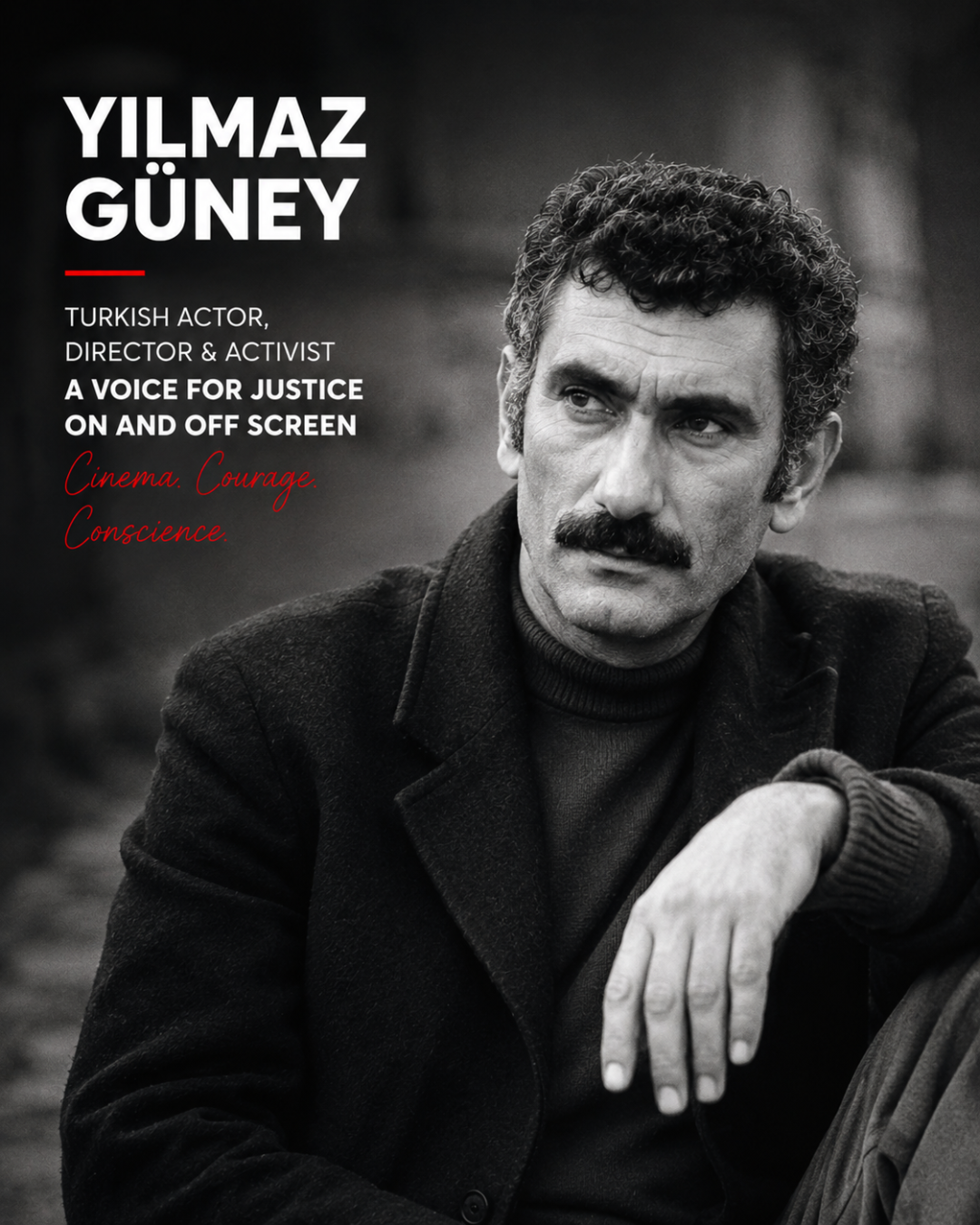
Yılmaz Güney (1937–1984) remains one of the most influential figures in Turkish cinema, known for his raw portrayals of social injustice and his uncompromising spirit. Born in a small village in Adana, Güney’s early life was marked by poverty and hardship, experiences that later shaped his storytelling. His journey into acting began in the 1950s, where he quickly became a symbol of the working class, earning the nickname "Ugly King" for his rugged looks and rebellious roles.
Güney’s films often reflected the struggles of ordinary people, tackling themes like oppression, inequality, and resistance. His 1970 film *Umut (Hope)* is considered a masterpiece, blending neorealism with a deeply human narrative. However, his outspoken political views and activism led to repeated arrests, culminating in a 1974 prison sentence for alleged involvement in a political murder. Even behind bars, Güney continued to write and direct, smuggling scripts to his collaborators.
In 1981, while serving his sentence, Güney escaped from prison and fled to France, where he continued his filmmaking career in exile. His 1982 film *Yol (The Road)*, co-directed with Şerif Gören, won the Palme d’Or at the Cannes Film Festival, bringing international acclaim to Turkish cinema. Despite his untimely death in 1984, Güney’s legacy endures as a testament to the power of art in the face of adversity.
For those interested in Turkish cinema or the intersection of art and activism, Güney’s life offers a compelling narrative of resilience and creativity. His works remain essential viewing for understanding the social and political landscape of 20th-century Türkiye.