 English
 Turkish
 Other
Other









Kentsel dönüşüm (Urban transformation) – What it means in Turkey
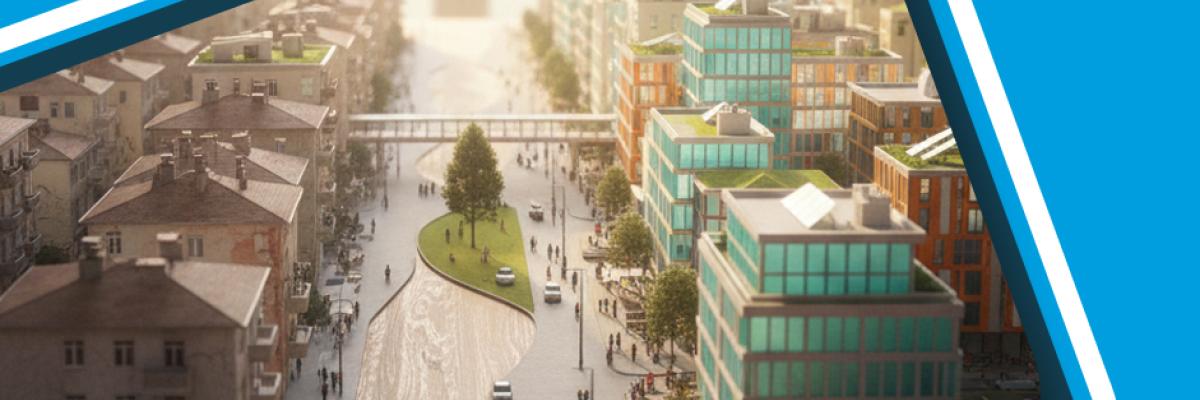
Kentsel dönüşüm (urban transformation) refers to Turkey’s government-led initiative to renovate, rebuild, or strengthen buildings and infrastructure in high-risk areas. The program primarily targets older structures that do not meet modern earthquake safety standards or are located in zones prone to natural disasters.
Under this process, properties identified as unsafe may be demolished and replaced with new, earthquake-resistant buildings. Property owners are typically offered compensation, replacement units, or financial support. The goal is to improve urban safety, modernize infrastructure, and reduce risks in densely populated areas.
The initiative is regulated by the Ministry of Environment, Urbanization, and Climate Change and applies to both residential and commercial properties. While participation can be mandatory in designated risk zones, some projects are voluntary.
For foreigners owning property in Turkey, understanding kentsel dönüşüm is important, as it may affect ownership rights, property value, or rebuilding timelines in affected areas.
| Turkish Term | English Equivalent | Notes |
|---|---|---|
| Kentsel dönüşüm | Urban transformation | Official term used in laws and regulations. |
| Kentsel yenileme | Urban renewal | Often used interchangeably, but may refer to less drastic changes. |
| Deprem riski azaltma | Earthquake risk reduction | Subcategory focusing on seismic safety. |
| Afet riski altındaki alanlar | Disaster-risk areas | Zones prioritized for transformation. |
| TOKİ projeleri | TOKİ projects (Housing Development Administration) | Government-led rebuilding projects under urban transformation. |
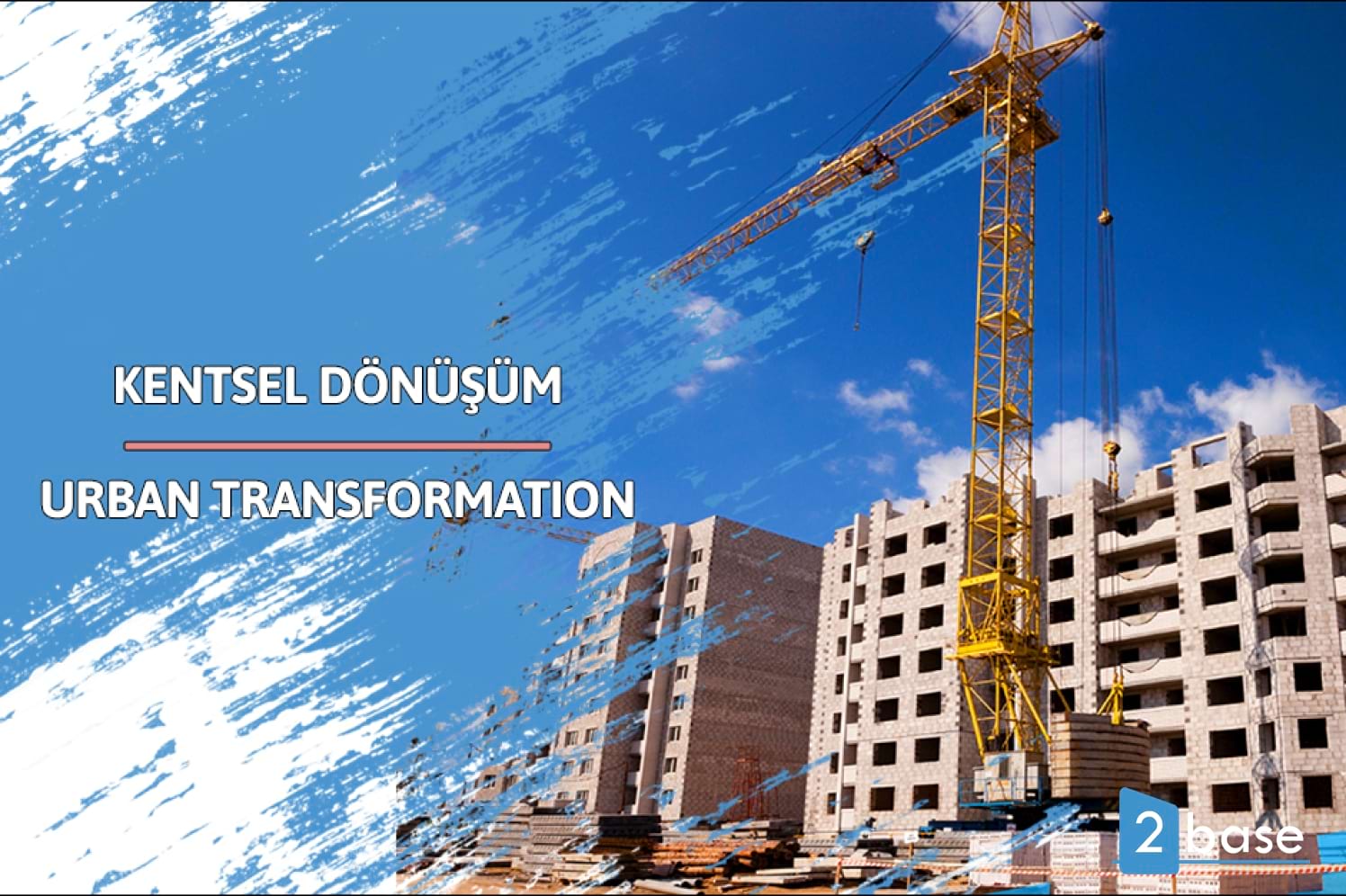
A government-led urban renewal program in Turkey.
Kentsel dönüşüm (urban transformation) is Turkey’s large-scale initiative to upgrade cities by demolishing or renovating old, earthquake-prone, or unsafe buildings. Launched under Law No. 6306 (2012), it aims to modernize infrastructure, improve safety, and enhance living standards.
For property owners, it means potential demolition, reconstruction, or mandatory upgrades if their building is in a designated risk zone. The government, local municipalities, or TOKİ (Housing Development Administration) often lead these projects, sometimes offering compensation or new units in exchange.
Check official risk maps and municipal announcements.
Properties in kentsel dönüşüm zones are identified via:
1. Risk assessments by the Ministry of Environment, Urbanization and Climate Change or local municipalities. High-risk areas (especially for earthquakes) are prioritized.
2. Official gazette (Resmî Gazete) publications listing designated zones. Municipalities also post notices on their websites or physically near affected buildings.
3. TOKİ’s project maps (available online) showing ongoing or planned transformations. A tapu (title deed) check with the Land Registry Office can confirm if your property is flagged.
Demolition, reconstruction, or mandatory retrofitting may occur.
If your building is selected, the process typically follows these steps:
1. Notification: Owners receive an official notice from the municipality or TOKİ outlining the project scope and timeline.
2. Options offered: - Reconstruction: The building is demolished and replaced. Owners may get a new unit in the same location (often with adjusted square meters). - Compensation: If reconstruction isn’t feasible, monetary compensation or alternative property may be provided. - Retrofitting: Some buildings undergo strengthening to meet safety standards.
3. Legal process: Owners can appeal if they disagree with the assessment. Non-compliance can lead to forced demolition.
Yes, but with specific legal and procedural requirements.
Foreign property owners have the same rights and obligations as Turkish citizens in kentsel dönüşüm projects. However, key considerations include:
1. Power of attorney (POA): If you’re abroad, appointing a Turkish lawyer or representative via a notarized POA is critical for signing documents or attending meetings.
2. Tax implications: Compensation or new property may trigger capital gains tax (if sold within 5 years) or VAT exemptions for replacements.
3. Language barriers: All official communications are in Turkish. Hiring a translator or legal advisor is recommended.
4. Bank accounts: Compensation payments are made to Turkish bank accounts, requiring a foreign tax ID (yabancı vergi numarası).
Delays, financial losses, or legal disputes may arise.
Purchasing property in a designated kentsel dönüşüm zone carries several risks:
1. Project delays: Reconstruction can take 2–5 years, leaving owners without usable property or rental income.
2. Compensation uncertainties: Market value assessments may be disputed, leading to lower-than-expected payouts.
3. Legal challenges: If previous owners didn’t resolve disputes (e.g., inheritance issues), new buyers may inherit liabilities.
4. Financing issues: Banks may hesitate to approve mortgages for properties in transformation zones.
5. Resale difficulties: Properties in active kentsel dönüşüm areas often have lower market demand.
Yes, but impacts vary by project stage and location.
Property taxes may change post-transformation:
- Increased value: Newly built or retrofitted properties often see higher tax assessments (e.g., emlak vergisi—annual property tax).
- Temporary exemptions: Some municipalities offer tax reductions during reconstruction.
Market value shifts:
- Post-completion: Upgraded areas may see value increases due to improved infrastructure.
- During construction: Values often drop temporarily due to noise, dust, and access restrictions.
Government, municipalities, and sometimes property owners share costs.
Funding for kentsel dönüşüm comes from multiple sources:
1. Government & TOKİ: The state allocates budgets for large-scale projects, especially in high-risk zones (e.g., Istanbul, İzmir). TOKİ often partners with private contractors.
2. Municipalities: Local governments contribute via urban development funds or public-private partnerships (PPPs).
3. Property owners: - May pay a share of reconstruction costs if opting for upgraded units. - Can receive interest-free loans from banks like Ziraat Bankası or VakıfBank for retrofitting.
4. Private investors: Developers sometimes fund projects in exchange for extra construction rights (e.g., building more floors).
TOKİ leads large-scale urban renewal and housing projects.
TOKİ (Toplu Konut İdaresi) is Turkey’s Housing Development Administration, playing a central role in kentsel dönüşüm by:
- Identifying risk zones: Collaborating with the Ministry of Environment to assess earthquake-prone or dilapidated areas.
- Managing reconstructions: Overseeing demolition and rebuilding, often with turnkey projects (e.g., Istanbul’s Fikirtepe).
- Offering housing solutions: - Providing new units to displaced owners (sometimes with adjusted sizes). - Selling affordable housing to low-income families via installment plans.
- Partnering with private sector: Working with contractors under build-operate-transfer (BOT) models.
TOKİ’s projects are prioritized in Istanbul, Ankara, and İzmir, but smaller cities also benefit.
Retrofitting or partial upgrades may be options.
Not all buildings in kentsel dönüşüm zones face demolition. Alternatives include:
1. Retrofitting (güçlendirme): Strengthening the structure to meet earthquake resistance standards (e.g., adding steel frames, reinforcing foundations). This is common for historical or culturally significant buildings.
2. Partial renovation: Upgrading electrical, plumbing, or insulation systems without full demolition.
3. Incentives for voluntary compliance: - Tax breaks for owners who retrofit proactively. - Low-interest loans from state-backed banks.
However, severely damaged or non-compliant buildings (e.g., illegal constructions) usually face mandatory demolition.
Tenants may face eviction or rent adjustments during projects.
For rental properties in kentsel dönüşüm zones:
1. Tenant rights: - Landlords must give notice for eviction due to demolition (per Turkish Tenancy Law No. 6570). - Tenants may receive compensation for moving costs in some cases.
2. Rent changes: - Post-renovation, rents often increase due to upgraded facilities. - During construction, landlords may lower rents to retain tenants amid disruptions.
3. Investment risks: - Vacancy periods may extend if projects delay completion. - New buildings may face higher maintenance fees (aidat).
Also read
Asansör (Elevator) – What It Means in Turkish Real Estate
Bina (Building) – Understanding Turkish Real Estate Terms
Damga vergisi (stamp duty) in Turkey – explained for buyers
Emlak (Real Estate) in Turkey – A Simple Explanation for Foreign Buyers

Emlakçı (Real Estate Agent) – Turkey Property Guide
Hisseli tapu (shared title deed in Turkey)
Müteahhit (contractor) – key role in Turkish real estate
Göç İdaresi (Migration Office) in Turkey – Key Facts for Foreigners