 English
 Turkish
 Other
Other








Lüks (Luxury) in Turkish real estate – what does it really mean?

Lüks (pronounced looks) is a Turkish term directly borrowed from the French luxe, meaning luxury in English. In the context of Turkish real estate, it describes properties, amenities, or features that exceed standard quality, offering premium comfort, high-end materials, exclusive locations, or advanced technology.
The term is not legally defined in Turkish property law but is widely used in listings, marketing, and contracts to indicate superior standards. A lüks property may include:
- High-quality finishes (e.g., marble, granite, or imported wood).
- Smart home systems or advanced security (e.g., 24/7 surveillance, biometric access).
- Prime locations (e.g., sea-view, city-center, or gated communities).
- Exclusive amenities (e.g., private pools, spas, or concierge services).
- Branded residences (e.g., projects by international developers like Ritz-Carlton or Four Seasons).
In Turkey, lüks is often paired with other descriptors like:
- Lüks konut – Luxury residence.
- Lüks villa – Luxury villa.
- Lüks site – Luxury housing complex (gated community).
The term can be subjective. What qualifies as lüks in Istanbul may differ from Alanya or Bodrum due to regional market standards. Always verify specifics in property documentation.
| Turkish Synonyms | English Equivalents |
|---|---|
| Lüks | Luxury, premium, high-end, deluxe, upscale |
| Yüksek standartlı | High-standard |
| Özel sınıf | Special class, elite |
| Prestijli | Prestigious |
| Birinci sınıf | First-class |
| Şık | Chic, stylish |
| Mükemmel donanımlı | Perfectly equipped, fully furnished (high-end) |

'Lüks' means luxury or high-end properties.
'Lüks' is a Turkish term used to describe properties that offer premium features, high-quality materials, and exclusive amenities. In real estate listings, it often indicates upscale residences, villas, or apartments with superior finishes, modern designs, and advanced facilities like private pools, smart home systems, or concierge services.
The term is subjective but generally implies a higher price range compared to standard properties. It is commonly used in cities like Istanbul, Antalya, and Bodrum, where luxury real estate markets are prominent.
'Lüks' is premium; 'standart' is basic or average.
In Turkish real estate, 'lüks' refers to luxury properties with high-end finishes, spacious layouts, and exclusive amenities like sea views, private gardens, or high-tech security. 'Standart' (standard) properties, on the other hand, offer basic features, functional designs, and mid-range materials without extra luxuries.
The price difference can be significant. A 'lüks' apartment in Istanbul may cost 50-200% more than a 'standart' one in the same area. Location also plays a role—'lüks' properties are often in prestigious neighborhoods like Bebek or Ulus, while 'standart' ones are in more residential zones.
No, but most are modern or recently renovated.
'Lüks' properties in Turkey are not exclusively new builds, but they often feature contemporary designs or recent renovations. Many luxury developments are newly constructed (0-5 years old) with cutting-edge architecture and smart-home technology. However, historic villas or restored Ottoman-era mansions in areas like Istanbul’s Bosphorus can also be marketed as 'lüks' due to their exclusivity and unique charm.
Older 'lüks' properties may require higher maintenance costs. Always check the construction year and renovation history in the property deed (tapu) or listing details.
Expect premium features like pools, gyms, and 24/7 security.
A 'lüks' property in Turkey usually includes high-end amenities such as private or shared swimming pools, landscaped gardens, fitness centers, and 24/7 security with CCTV. Indoor features may involve imported marble flooring, designer kitchens (e.g., Siemens or Miele appliances), underfloor heating, and home automation systems (e.g., smart lighting or climate control).
In gated communities or branded residences, additional services like concierge, housekeeping, or private beach access (common in Antalya or Bodrum) may be offered. Always verify the exact amenities in the sales contract, as terms can vary.
Yes, due to premium features and services.
'Lüks' properties in Turkey generally incur higher maintenance costs than standard homes. Expenses may include fees for gated community services (e.g., landscaping, security, or pool upkeep). High-end materials like natural stone or hardwood may also require specialized cleaning or repairs.
Additionally, properties with smart-home systems or private elevators might need technical maintenance contracts. Always request a breakdown of annual aidat (maintenance fees) from the seller or property manager before purchasing.
Istanbul, Antalya, and Bodrum lead the luxury market.
Besides most areas of Alanya, the majority of 'lüks' properties in Turkey are concentrated in Istanbul (e.g., Bebek, Ulus, or Şişli), Antalya (Kaleiçi, Lara, or Konyaaltı), and Bodrum (Yalıkavak, Türkbükü, or Göltürkbükü). These areas attract affluent buyers due to their prestige, sea views, and proximity to international airports. Istanbul’s European side is especially popular for high-rise luxury apartments, while Antalya and Bodrum dominate the villa market.
Other emerging luxury hubs include Fethiye (Ölüdeniz), İzmir (Çeşme), and capital Ankara (Çayyolu).
Yes, but some military zones have limitations.
Foreigners can purchase 'lüks' properties in Turkey under the same regulations as standard properties. The main restriction applies to properties located in military zones or near strategic areas (e.g., some parts of Istanbul’s Princes’ Islands or coastal regions near borders). These require additional approval from the Turkish General Staff, which can delay the process.
Most luxury developments in major cities (Istanbul, Antalya, Bodrum) are open to foreign buyers. Always confirm the property’s eligibility with a lawyer before signing a contract. Citizenship-by-investment programs may also apply.
Depends on location, demand, and market trends.
The resale value of 'lüks' properties in Turkey varies by location and economic conditions. In prime areas like Istanbul’s Bebek or Bodrum’s Yalıkavak, luxury homes tend to hold value well due to consistent demand from local and international buyers. However, oversupply in emerging markets (e.g., new Antalya developments) or economic fluctuations can lead to slower appreciation.
Factors like proximity to the sea, brand reputation (e.g., Ritz-Carlton residences), and maintenance quality also impact resale potential. Historical data shows Istanbul’s luxury market averages 3-7% annual growth, while tourist-heavy regions may see higher volatility.
Also read
Asansör (Elevator) – What It Means in Turkish Real Estate
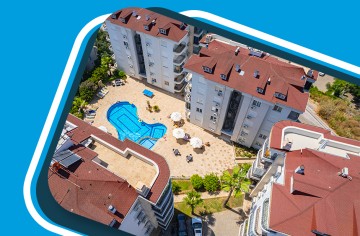
Bina (Building) – Understanding Turkish Real Estate Terms

Damga vergisi (stamp duty) in Turkey – explained for buyers
Emlak (Real Estate) in Turkey – A Simple Explanation for Foreign Buyers

Emlakçı (Real Estate Agent) – Turkey Property Guide
Hisseli tapu (shared title deed in Turkey)

Müteahhit (contractor) – key role in Turkish real estate
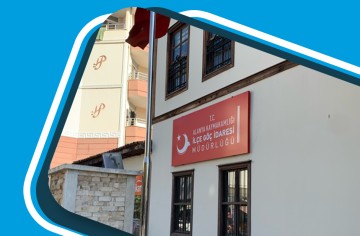
Göç İdaresi (Migration Office) in Turkey – Key Facts for Foreigners