 English
 Turkish
 Hindu
Hindu
 Other
Other









Banka hesabı (bank account) in Turkey – what it means for property buyers

Banka hesabı (pronounced bahn-kah heh-sah-buh) is the Turkish term for a bank account. In Turkey, this is a mandatory financial tool for most real estate transactions, especially for foreign buyers.
A banka hesabı is required to:
- Transfer property purchase funds (often in Turkish Lira or foreign currency).
- Pay utility bills, property taxes (e-Devlet integrations often link to it).
- Receive rental income if you lease out your property.
- Comply with Turkish Central Bank regulations for foreign currency transactions.
Foreigners can open a banka hesabı in person at Turkish banks or—depending on the bank—remotely via power of attorney. Accounts may be in TRY (Turkish Lira) or major foreign currencies (EUR, USD, GBP).
For property purchases, the seller’s and buyer’s bank details are recorded in the title deed (Tapu) transfer process to ensure transparent fund tracing.
| Turkish Term | English Equivalent | Notes |
|---|---|---|
| Banka hesabı | Bank account | General term for any account type. |
| Vadesiz hesap | Current account / Checking account | No maturity date; used for daily transactions. |
| Vadeli hesap | Term deposit account | Fixed-term savings with interest. |
| Yabancı para hesabı | Foreign currency account | Holds EUR, USD, GBP, etc. (not TRY). |
| Tapu ödemeleri hesabı | Title deed payment account | Special account for property transaction funds. |
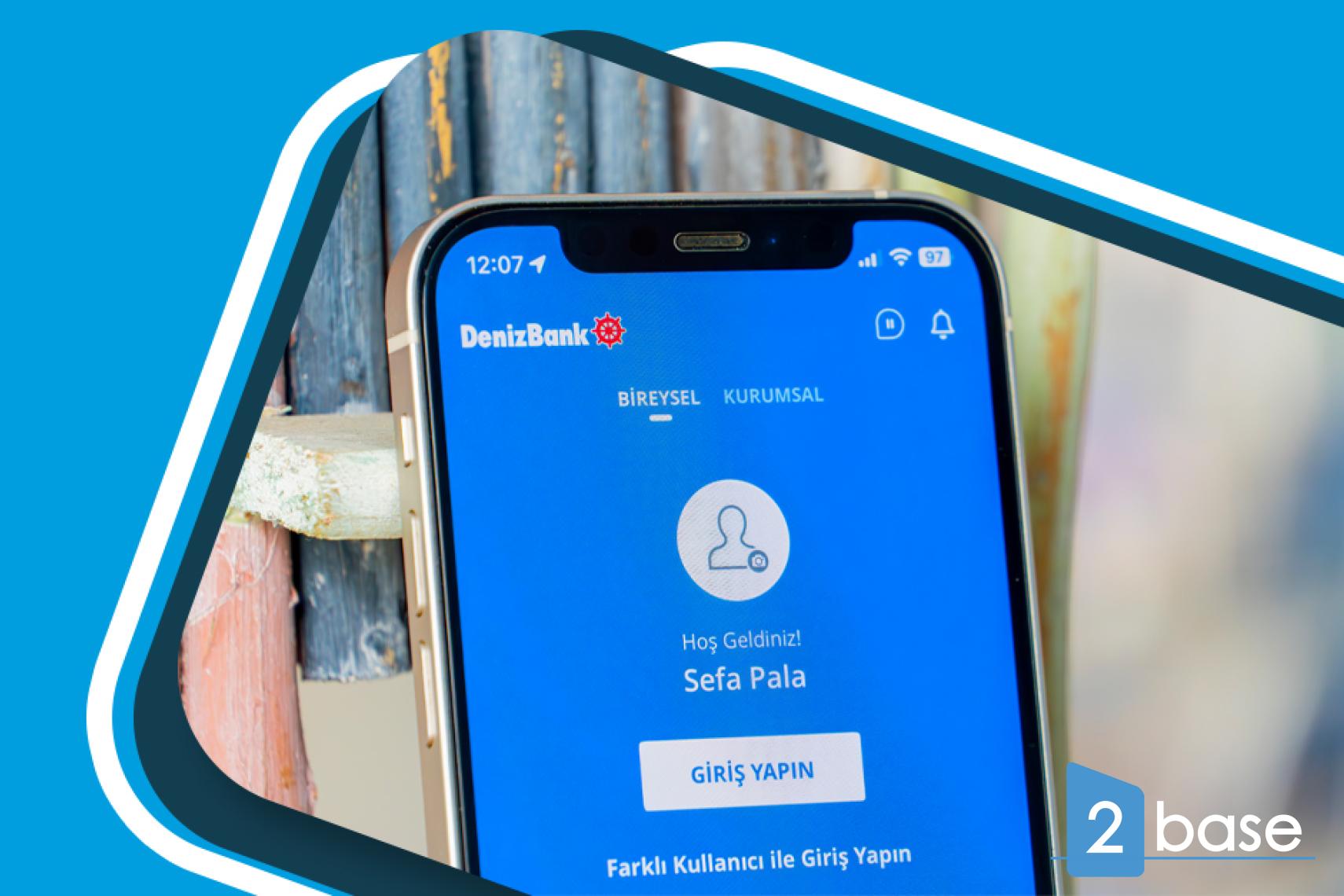
Mandatory for transactions and utilities.
A Turkish bank account (banka hesabı) is often required to complete property purchases in Turkey. Sellers and notaries often demand payments via Turkish banks for legal compliance. It also simplifies utility payments (electricity, water, gas), property taxes, and management fees. Without one, transferring funds internationally for each expense becomes costly and time-consuming.
Most banks require in-person visits.
Most Turkish banks require foreigners to visit a branch in person to open a banka hesabı. You’ll need your passport, tax number (vergi numarası), and sometimes a residence permit. A few banks might offer remote account opening for existing customers or via partnerships, but this is rare. Always confirm with the bank beforehand.
Passport, tax number, and proof of address.
To open a banka hesabı in Turkey, foreigners typically need: a valid passport, a Turkish tax number (vergi numarası), and proof of address (e.g., utility bill or rental contract). Some banks may also request a residence permit or a reference letter from your home bank. Requirements vary slightly between banks like Ziraat, Yapı Kredi, or Akbank.
Yes, but mostly in major cities.
Many Turkish banks (e.g., Garanti BBVA, İş Bank, Halkbank) offer English-speaking staff, especially in Istanbul, Ankara, Antalya, and Izmir. Larger branches in tourist-heavy areas are more likely to assist in English. However, smaller towns may have limited English support. Online banking platforms often include English interfaces, but legal documents (e.g., account agreements) are usually in Turkish.
Usually 1–3 business days.
Opening a banka hesabı in Turkey typically takes 1 to 3 business days if all documents are submitted correctly. Some banks may activate the account immediately, while others require a 24-hour verification period. Delays can occur if additional paperwork (e.g., translated documents) is needed. Online banking access is often granted within hours, but debit cards may take 5–7 days to arrive.
Yes, but fees and limits apply.
A Turkish banka hesabı can send and receive international transfers (SWIFT/SEPA), but fees vary by bank. Some banks impose daily/monthly limits (e.g., 50,000 USD equivalent)
unless pre-approved. Exchange rates may be less favorable than specialized services like Wise or Revolut.
Always
check your bank’s terms for currency conversion and transfer caps. Beware that some banks charge extremely high fees for international transactions. Always check with your bank before transfering.
Varies by bank and account conditions.
Turkish banks often charge monthly maintenance fees for a banka hesabı. Some accounts waive fees if a minimum balance is maintained. Foreigners should ask about hidden costs like ATM withdrawal fees (especially abroad), SMS alerts, or overdraft penalties.
Possible, but often requires a power of attorney.
Closing a banka hesabı from abroad is difficult without visiting Turkey. Most banks require in-person confirmation or a notarized power of attorney (vekaletname) assigned to a local representative. Some banks allow remote closure if the account has zero balance and no pending transactions. Always check your bank’s specific policies, as unclosed accounts may incur dormant fees.
Yes, up to 100,000 TL per depositor.
Turkish bank deposits are insured by the Savings Deposit Insurance Fund (TMSF) up to 100,000 TL per depositor, per bank. This applies to both Turkish lira and foreign currency accounts. If a bank fails, the TMSF guarantees repayment within 3 months. However, investments (e.g., stocks, bonds) are not covered. Always verify your bank’s TMSF membership for full protection.
Also read

Bina (Building) – Understanding Turkish Real Estate Terms

Damga vergisi (stamp duty) in Turkey – explained for buyers

Emlak (Real Estate) in Turkey – A Simple Explanation for Foreign Buyers

Emlakçı (Real Estate Agent) – Turkey Property Guide
Hisseli tapu (shared title deed in Turkey)

Müteahhit (contractor) – key role in Turkish real estate

Göç İdaresi (Migration Office) in Turkey – Key Facts for Foreigners

Web tapu (online title deed) – digital property ownership in Turkey