 English
 Turkish
 Hindu
Hindu
 Other
Other









Otomatik ödeme (automatic bank payments) in Turkey explained
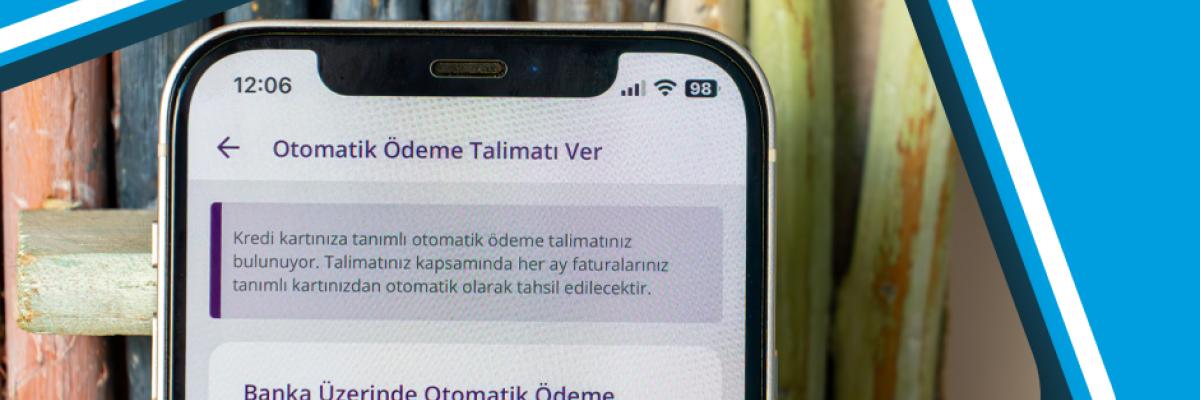
Otomatik ödeme (automatic bank payments) is a system in Turkey that allows property owners to authorize automatic deductions from their bank accounts for recurring bills. This includes utility payments (electricity, water, gas), property taxes (emlak vergisi), or maintenance fees (aidat) for apartments or gated communities.
The service is linked to a Turkish bank account and requires a signed agreement with the billing entity (e.g., a municipality, utility provider, or property management). Once set up, payments are processed on fixed dates without manual intervention. Banks in Turkey typically offer this feature for free, though some may charge minimal fees for certain transactions.
Foreign property owners can use otomatik ödeme if they have a Turkish bank account and a valid tax number (vergi numarası). Payments are made in Turkish Lira (TRY), and the account must have sufficient funds to avoid penalties or service interruptions.
This system is widely used for convenience, especially for non-resident owners who cannot pay bills in person. However, it does not cover one-time or variable expenses (e.g., repairs or fines).
| Turkish Term | English Equivalent | Notes |
|---|---|---|
| Otomatik ödeme | Automatic payment / Auto-pay / Direct debit | Most common term for bank-initiated recurring payments. |
| Ödeme talimatı | Payment instruction / Standing order | Used for pre-authorized transfers, sometimes interchangeably with otomatik ödeme. |
| Banka otomatik tahsilat | Bank automatic collection | Formal term used in banking agreements. |
| Tekrarlı ödeme | Recurring payment | Broader term; may include manual recurring transfers. |
| EFT otomatik ödeme | Automatic EFT payment | Specific to interbank transfers (EFT = Elektronik Fon Transferi). |
For official details, refer to the Central Bank of Turkey (TCMB) or your bank’s terms for otomatik ödeme services.
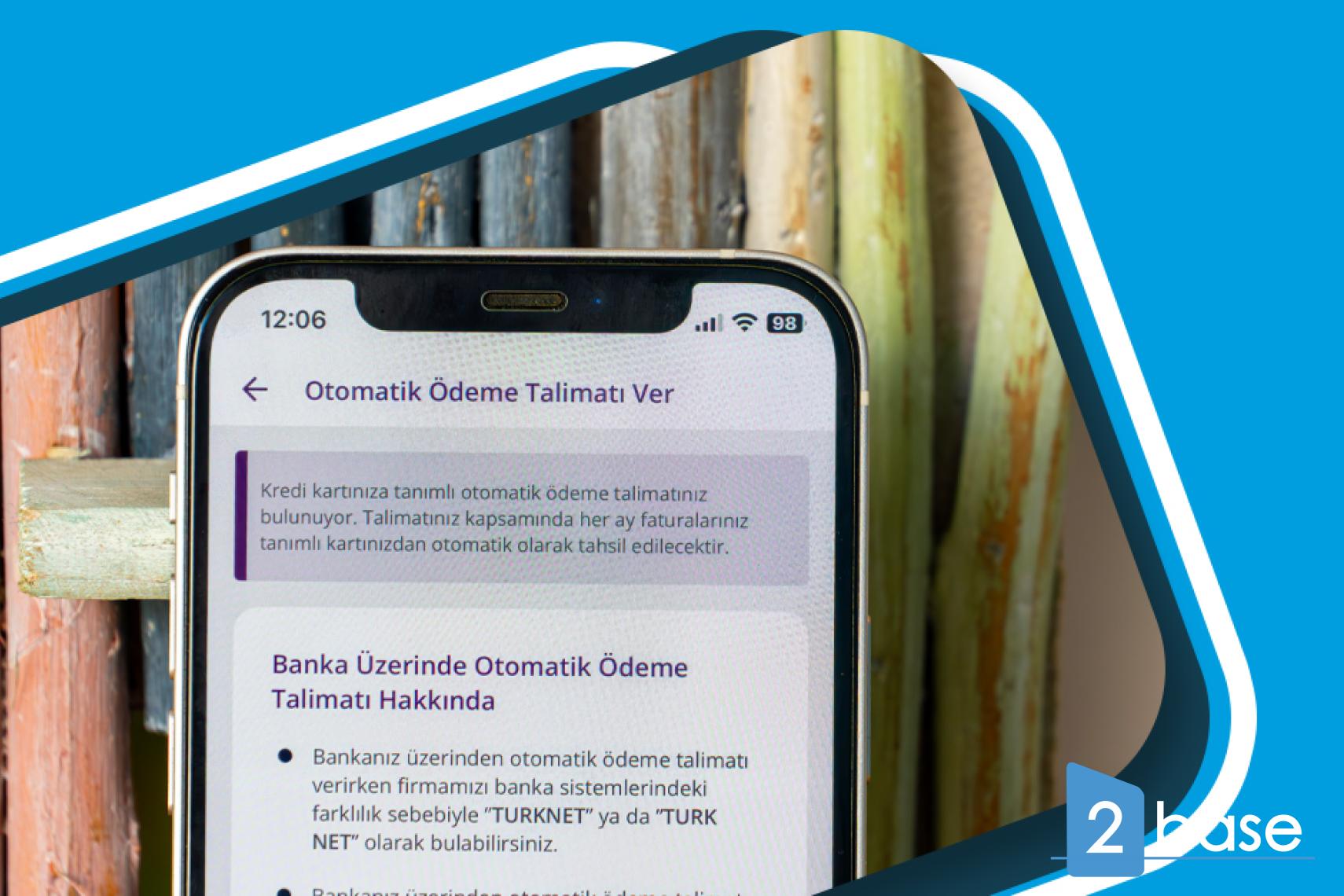
Recurring payments set up via your Turkish bank account.
Otomatik ödeme (automatic payment) is a Turkish banking service that allows you to schedule recurring payments for bills, loans, or property-related expenses (e.g., aidat, utilities, or mortgage installments).
Once activated, the bank deducts the specified amount from your account on a set date (monthly, quarterly, etc.). This is commonly used for property taxes (emlak vergisi), management fees (aidat), or electricity/water bills in Turkey.
Foreigners with a Turkish bank account (e.g., İş Bankası, Garanti BBVA, Ziraat) can set this up via online banking, mobile apps, or in-branch. Payments are made in Turkish Lira (TRY) unless specified otherwise.
Via online banking, mobile app, or bank branch in Turkey.
To set up otomatik ödeme, you need a Turkish bank account (current or savings) and the biller’s reference number (e.g., abone numarası for utilities or tapu details for property taxes).
Steps vary by bank but generally include:
1. Log in to online/mobile banking (e.g., İşCep, Garanti BBVA Mobile).
2. Navigate to ‘Otomatik Ödemeler’ or ‘Yinelenen Ödemeler’.
3. Enter the payee details (e.g., BELEDİYE for municipality taxes, ELEKTRİK for electricity).
4. Set the amount (fixed or variable) and frequency (e.g., monthly on the 5th).
Some banks require in-person verification for high-value payments (e.g., > 10,000 TRY). Foreigners may need a Turkish phone number for SMS confirmation.
Yes, if they have a Turkish bank account and tax reference.
Foreign property owners can use otomatik ödeme for annual property taxes (emlak vergisi) if they have:
• A Turkish bank account (resident or non-resident).
• The tax reference number (from the tapu or municipality).
• Sufficient TRY funds on the payment date (usually May and November).
The Turkish Revenue Administration (Gelir İdaresi Başkanlığı) sends tax notices via e-Devlet or post. Banks like Ziraat or VakıfBank often pre-fill tax details for easier setup.
Note: Late payments incur penalties. Automating ensures timely compliance.
Bank notifies you; late fees may apply.
If an otomatik ödeme fails (e.g., insufficient funds, incorrect details), your Turkish bank will:
• Send an SMS/email alert (in Turkish; use translation tools if needed).
• Retry the payment once or twice (depends on the bank).
• May charge a failed payment fee.
For property-related bills (e.g., aidat, electricity), late payments may incur:
• Service suspension (e.g., water/electricity cutoffs after 30–60 days).
Check your bank’s ‘Ödeme Geçmişi’ (payment history) and resolve issues promptly. Some municipalities (e.g., İstanbul, Antalya) offer grace periods.
Yes, but monitor transactions for errors.
Otomatik ödeme is generally safe in Turkey, as banks use encryption and two-factor authentication (SMS/email codes). However, foreigners should:
• Verify the payee’s official name (e.g., ‘İstanbul Su ve Kanalizasyon İdaresi’ for water bills) to avoid scams.
• Check payment amounts annually (e.g., aidat or emlak vergisi may increase).
• Use banks with English-language support (e.g., Garanti BBVA, Yapi Kredi) for clarity.
Turkish banks are regulated by the BDDK (Banking Regulation and Supervision Agency), which mandates fraud protections. Disputes can be filed via the bank’s ‘Şikayet’ (complaint) system.
For added security, set payment limits or use virtual cards for variable bills.
Yes, via online banking or by visiting a branch.
You can cancel or modify an otomatik ödeme at any time through:
• Online/mobile banking: Navigate to ‘Otomatik Ödemelerim’ and edit/delete the instruction.
• Bank branch: Bring your passport and account details (some banks require in-person changes for high amounts).
• Customer service: Call the bank’s helpline (English support may be limited).
Changes take 1–3 business days to process. For property taxes (emlak vergisi), cancel only after confirming the tax is fully paid to avoid penalties.
Note: Some bills (e.g., aidat) require written notice to the site yönetimi (property management) if canceling automatic deductions.
Most major banks, including Denizbank, İş Bankası, Garanti BBVA, and Ziraat.
Nearly all Turkish banks support otomatik ödeme, but these are most popular among foreigners:
• İş Bankası: English mobile app (İşCep), widely used for property taxes.
• Garanti BBVA: User-friendly interface, supports e-Devlet integrations.
• Ziraat Bankası: Government-backed, often used for municipal payments.
• Yapi Kredi: Good for utility bills (electricity, water).
• Akbank: Offers payment reminders via SMS.
• Denizbank: Popular choice among foreigners in Alanya.
Foreigners should choose banks with English support and multi-currency accounts.
Yes, most banks automate mortgage installments.
Otomatik ödeme is commonly used for mortgage (konut kredisi) repayments in Turkey. Banks typically:
• Set it up automatically when approving the loan.
• Deduct the monthly installment on a fixed date (e.g., 10th of each month).
• Send SMS/email confirmations after each payment.
Foreigners with a Turkish mortgage should ensure:
• The account has sufficient TRY funds (currency exchange fees may apply if funding from EUR/USD).
• The interest rate is fixed/variable as agreed (check ‘Kredi Sözleşmesi’).
Missed payments may trigger penalties or affect credit scores (KKB). Some banks allow early repayment via otomatik ödeme.
Also read
Bina (Building) – Understanding Turkish Real Estate Terms
Damga vergisi (stamp duty) in Turkey – explained for buyers

Emlak (Real Estate) in Turkey – A Simple Explanation for Foreign Buyers

Emlakçı (Real Estate Agent) – Turkey Property Guide
Hisseli tapu (shared title deed in Turkey)
Müteahhit (contractor) – key role in Turkish real estate
Göç İdaresi (Migration Office) in Turkey – Key Facts for Foreigners
Web tapu (online title deed) – digital property ownership in Turkey