
 English
 Turkish
 Other
Other










Imza (Signature) in Turkish real estate – what it means for you

Imza is the Turkish word for signature—a handwritten or digital mark that legally validates documents, contracts, or agreements in Turkey. In real estate transactions, an imza confirms your identity, intent, and approval of terms, whether you’re buying, selling, or managing property.
Under Turkish law, an imza must be:
- Original: Handwritten (wet-ink) signatures are standard for most legal documents, including title deeds (tapu).
- Notarized (if required): Some contracts (e.g., power of attorney) need a notary-verified imza for validity.
- Digital (e-Imza): Electronically signed documents (via e-Devlet) are legally binding if certified by a Turkish Elektronik Sertifika Hizmet Sağlayıcısı (ESHS).
Without a valid imza, documents like sales contracts, rental agreements, or title deed transfers (tapu devri) are not legally enforceable. Foreigners must ensure their signature matches their passport or residency permit details to avoid rejection.
| Turkish Term | English Equivalent | Notes |
|---|---|---|
| Imza | Signature | General term for any handwritten/digital mark. |
| Islak imza | Wet-ink signature | Physical signature on paper; required for tapu transactions. |
| E-imza | E-signature | Digitally certified via Turkish Kamu SM. |
| Noter onaylı imza | Notarized signature | Signature verified by a Turkish notary (noter). |
| Imza sirküleri | Signature circular | Document listing authorized signatories for a company/association. |
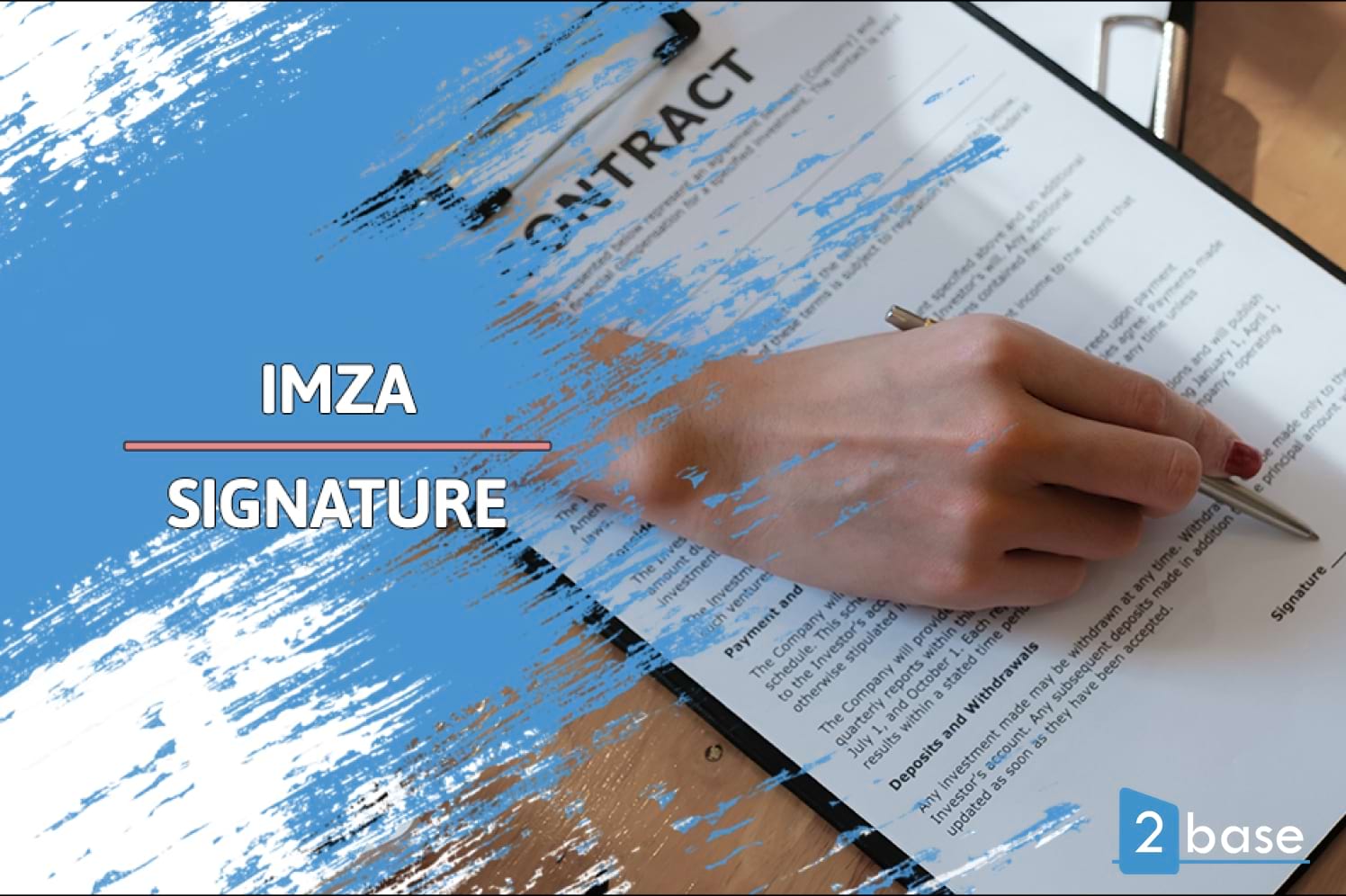
A legally binding signature in Turkey.
'Imza' is the Turkish word for 'signature.' In real estate, it refers to the handwritten or electronic mark that confirms a person’s agreement to a contract, deed, or legal document. Turkish law requires an 'imza' to validate property sales, rental agreements, or power of attorney. Without it, documents are not legally binding.
Yes, but only if certified by Turkish authorities.
Turkey recognizes electronic signatures ('elektronik imza') for real estate if issued by an accredited provider like E-Tuğra or TÜBİTAK. These e-signatures carry the same legal weight as handwritten ones. However, notaries or land registry offices may still require physical signatures for certain documents, like title deed transfers.
Buyer, seller, and sometimes a translator or attorney.
In a Turkish property sale, the buyer, seller, and any legal representatives (e.g., power of attorney holders) must sign ('imza'). If a foreigner doesn’t speak Turkish, a sworn translator may also sign to confirm the buyer’s understanding. Notaries witness signatures for authenticity.
Often yes, especially for title deeds ('tapu').
Foreigners’ signatures ('imza') on Turkish property documents usually require notarization. This applies to title deed transfers (tapu), sales contracts, and power of attorney forms. A Turkish notary verifies identity and ensures the signature is genuine. Some embassies/consulates can also legalize signatures for use in Turkey.
Criminal charges and nullified contracts.
Forging an 'imza' (signature) in Turkey is a criminal offense under Turkish Penal Code Article 204, punishable by prison. If discovered, the affected contract (e.g., sales agreement) becomes void. Victims can file a lawsuit to reverse the transaction and claim damages. Turkish courts investigate such cases rigorously.
Yes, but with strict notary and translation rules.
A power of attorney ('vekaletname') in Turkey can authorize someone to sign ('imza') property documents on your behalf. However, the document must be: notarized, translated into Turkish by a sworn translator, and explicitly state the authority to sign for real estate transactions. Foreign POAs may need apostille certification.
ID check, notary stamps, and biometric confirmation.
The Turkish Land Registry ('Tapu Dairesi') verifies signatures ('imza') by: checking IDs (passport/residence permit), confirming notary stamps on documents, and sometimes using biometric data (fingerprint). For foreigners, a sworn translator may assist. Electronic signatures are cross-checked with government databases like E-Devlet.
No, but some offices prefer them for high-value deals.
While electronic signatures ('elektronik imza') are legally valid, some Turkish notaries or land registry offices may insist on wet-ink signatures for high-value properties or complex transactions. This varies by region. Always confirm requirements with the relevant Tapu Dairesi or notary before signing.
Also read

Asansör (Elevator) – What It Means in Turkish Real Estate

Bina (Building) – Understanding Turkish Real Estate Terms

Damga vergisi (stamp duty) in Turkey – explained for buyers

Emlak (Real Estate) in Turkey – A Simple Explanation for Foreign Buyers

Emlakçı (Real Estate Agent) – Turkey Property Guide
Hisseli tapu (shared title deed in Turkey)

Müteahhit (contractor) – key role in Turkish real estate

Göç İdaresi (Migration Office) in Turkey – Key Facts for Foreigners