 English
 Turkish
 Other
Other








DASK (Natural Disaster Insurance) in Turkey – What It Covers

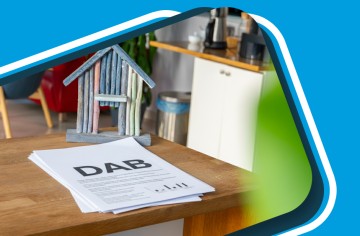
DASK (Doğal Afet Sigortaları Kurumu) is Turkey’s mandatory natural disaster insurance system. Established in 2000 under Law No. 587, it provides financial protection against structural damage caused by earthquakes, wildfires, explosions, landslides, and floods resulting from natural disasters.
All property owners in Turkey—including foreigners—must obtain DASK coverage for residential and commercial buildings. The policy does not cover personal belongings, business interruptions, or non-structural elements like gardens or pools. Premiums vary based on the property’s location, size, and construction type, with rates set by the government.
DASK is managed by the Natural Disaster Insurance Institution, a public entity operating under the Ministry of Treasury and Finance. Claims are processed through authorized insurance companies. Policies must be renewed annually; failure to comply may result in fines or complications during property transactions.
For official details, visit the DASK English portal.
| Term (Turkish) | English Equivalent | Notes |
|---|---|---|
| DASK | Natural Disaster Insurance Institution | Official abbreviation for Doğal Afet Sigortaları Kurumu. |
| Doğal Afet Sigortası | Natural Disaster Insurance | Mandatory policy covering structural damage. |
| Zorunlu Deprem Sigortası | Compulsory Earthquake Insurance | Commonly used synonym, though DASK covers more than earthquakes. |
| Konut Sigortası | Home Insurance | Broader term; DASK is a subset of home insurance. |
| DASK Poliçesi | DASK Policy | Refers to the insurance document itself. |
| Afet Sigortası | Disaster Insurance | General term; may include non-DASK policies. |

Mandatory earthquake insurance for all properties.
DASK (Doğal Afet Sigortaları Kurumu) is Turkey’s compulsory earthquake insurance system. It covers structural damage to residential and commercial properties caused by earthquakes. Since 2000, it has been legally required for all property owners, including foreigners, to protect against financial losses from seismic events.
The policy does not cover land, movable assets, or non-structural elements like furniture. Premiums vary based on property size, location, and construction type. Proof of DASK is often required for utility connections, property sales, or rental agreements.
Covers residential and some commercial buildings.
DASK insurance is mandatory for all residential properties (apartments, villas, houses) and independent commercial units (shops, offices) located in buildings with a construction permit issued after 2000. Properties in high-risk seismic zones must comply without exception.
Exemptions include state-owned buildings, agricultural structures, and properties in areas officially declared earthquake-safe. However, even exempt properties may require DASK if mortgaged or part of a housing complex with shared policies.
Structural damage only—no land or contents.
DASK covers structural damage to the building caused directly by earthquakes, including cracks in walls, foundation shifts, or collapse.
It does not cover land value, interior decorations, furniture, or non-structural elements like windows or doors. Additional policies (e.g., fire or theft insurance) are needed for broader protection. Claims are processed after official disaster declarations.
Purchase online, via banks, or insurance agents.
Foreigners can buy DASK through authorized insurance companies, banks, or the official DASK website (dask.gov.tr). Required documents include the property’s title deed (Tapu) and the owner’s tax number (for individuals) or company registration (for legal entities).
Payments can be made via credit card, bank transfer, or at post offices. The policy is issued immediately upon payment, and a digital copy is sufficient for legal compliance. No Turkish residency is required.
Fines, legal issues, and no compensation.
Owning a property without DASK in Turkey is illegal and carries risks. Authorities may impose fines. Without DASK, owners cannot claim government compensation for earthquake damage, and banks may refuse mortgages or utility connections.
During property sales, the Tapu office requires proof of DASK to transfer ownership. Rental contracts may also mandate DASK, especially in high-risk zones like Istanbul or Izmir.
No—new owners must purchase a fresh policy.
DASK policies are not transferable between owners. When a property is sold, the new owner must purchase a new DASK policy under their name. The seller’s policy becomes void upon ownership transfer.
The Tapu office verifies active DASK before completing the sale. Buyers should confirm the seller’s policy is valid until the transfer date to avoid gaps in coverage.
Official declaration triggers claim reviews.
Claims are processed only after the Turkish government officially declares an earthquake a disaster. Owners must submit a claim via their insurance provider including photos, engineering reports, and the policy number.
DASK assessors inspect the damage, and payouts are made for approved claims. Disputes can be appealed through the Natural Disaster Insurance Arbitration Commission.
Yes, but landlords must insure the structure.
DASK covers the building structure of rental properties, but the policy must be under the landlord’s name. Tenants are not responsible for DASK unless specified in the lease. However, tenants may purchase contents insurance separately for personal belongings.
Landlords must provide proof of DASK if requested by tenants or local authorities, especially in high-risk seismic zones.
No—payments must be in Turkish Lira (TL).
DASK premiums can only be paid in Turkish Lira (TL), even for foreign property owners. Payments in euros, dollars, or other currencies are not accepted. Foreigners can use international credit cards or convert funds via Turkish bank accounts.
Exchange rates may affect the total cost when converting foreign currency to TL. Some banks offer currency conversion services during the payment process.
Also read
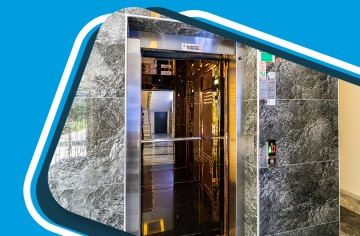
Asansör (Elevator) – What It Means in Turkish Real Estate
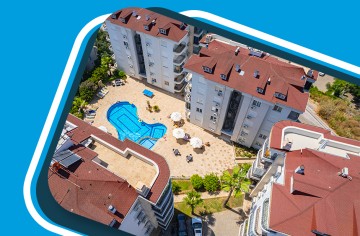
Bina (Building) – Understanding Turkish Real Estate Terms

Damga vergisi (stamp duty) in Turkey – explained for buyers
Emlak (Real Estate) in Turkey – A Simple Explanation for Foreign Buyers

Emlakçı (Real Estate Agent) – Turkey Property Guide
Hisseli tapu (shared title deed in Turkey)

Müteahhit (contractor) – key role in Turkish real estate
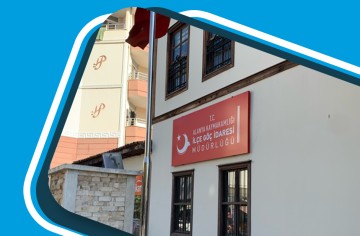
Göç İdaresi (Migration Office) in Turkey – Key Facts for Foreigners